Table of contents
Join our Community!
Oops! Something went wrong while submitting the form.
Stay up to date with the latest insights, trends, and tips for growing your business through referral and loyalty programs. Let's stay connected!


.jpg)
Customer loyalty isn't dead—it's just gotten pickier. While the average consumer juggles 19 different loyalty programs, they only actively engage with nine of them. So what separates the programs that thrive from those that collect digital dust?
The stakes have never been higher. Recent research shows that 38% of shoppers are now loyal to five or fewer brands, down from just 22% in 2023. But here's the kicker: brands that get loyalty right see massive returns. A mere 5% increase in retention can boost profits by 25-95%, and loyal customers generate 65% of most companies' revenue (Attentive’s 2025 Consumer Trend Report, 2025).
So why do so many loyalty programs fail spectacularly? And more importantly, how can you build one that actually drives growth?

Most brands treat loyalty programs as expensive customer retention tools. Smart brands recognize them as profit centers and data goldmines.
The retention advantage is undeniable. It costs 5-25x more to acquire a new customer than to retain an existing one (Friendbuy, 2025). When acquisition costs are skyrocketing and marketing budgets are under pressure, loyalty programs offer one of the most effective ways to increase customer lifetime value through repeat purchases and larger basket sizes.
But the real magic happens in the data. Modern loyalty programs capture zero-party data information customers willingly share about their preferences, birthdays, and buying intentions. This creates a feedback loop that fuels better segmentation, personalization, and marketing effectiveness.
Then there's the word-of-mouth multiplier. Two-thirds of loyal customers will recommend brands they love, and 85% of purchases are influenced by recommendations from friends and family. Your loyalty program isn't just retaining customers—it's turning them into your best sales force.
Here's where most brands get it wrong: they confuse activity with actual value creation. Just because customers are earning and redeeming points doesn't mean your program is profitable.
The secret lies in understanding incrementality—the additional behavior your program actually drives. Many programs fail because they reward customers for purchases they would have made anyway, essentially paying for behavior that was already going to happen.
Here's how to calculate real ROI:
● Incremental sales: Revenue directly attributable to your program (not just member sales)
● Incremental margin: Your gross margin on those incremental sales
● Reward costs: Points, cashback, and perks (factor in 25-35% breakage)
● Fixed costs: Technology, staff, marketing, and partner fees

Done right, a loyalty program can deliver 180% ROI in its first year. But only if it's driving genuinely incremental behavior.
If your rewards require excessive effort to earn or redeem, customers will abandon ship. Programs that rely solely on discounts erode margins and fail to differentiate.
Complicated point systems and unclear expiration dates discourage participation. If customers need a manual to understand your program, you've already lost.
Today's consumers expect personalization. Generic rewards that ignore customer preferences don't create engagement—they create apathy.
Without dynamic offers, regular communication, and fresh experiences, programs become invisible. Out of sight, out of mind, out of wallet.
Consumer expectations and technology change rapidly. Static programs get left behind by competitors delivering seamless, omnichannel experiences.

Forty-four percent of shoppers feel loyal when brands make them feel appreciated, and 43% when brands understand their preferences. This isn't just about using their first name in emails.
● Collect zero-party data through quizzes, preference centers, and milestone celebrations
● Use AI to trigger messages at the perfect moment
● Create tiered rewards where your best customers get early access and exclusive experiences, not just bigger discounts
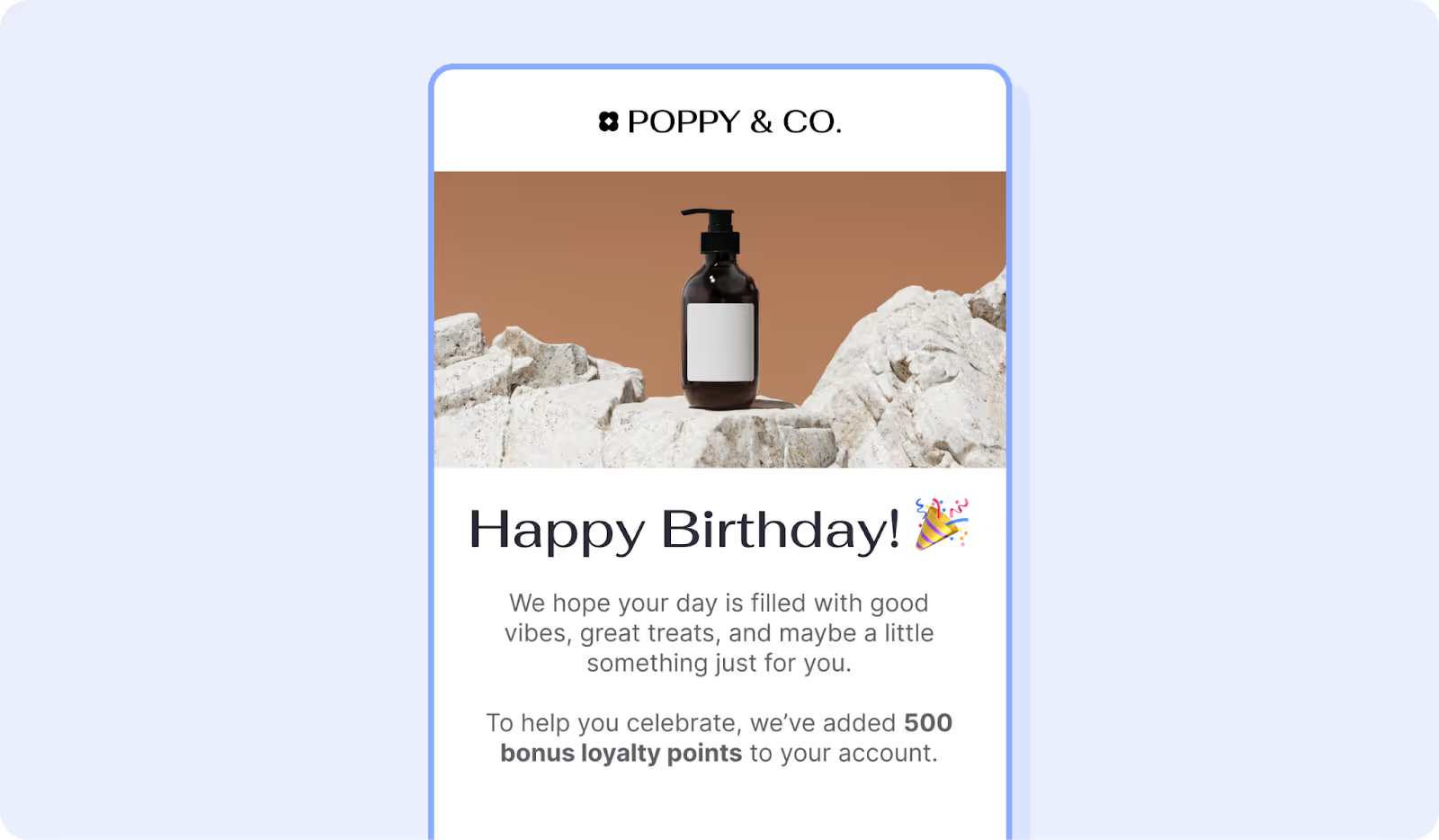
While 39% of consumers prioritize great discounts, 63% will buy from beloved brands without waiting for a sale. The most powerful programs combine both:
● Offer exclusive experiences and early product access
● Create surprise "delight" moments—birthday points, milestone gifts
● Consider membership models over simple cashback (69% of consumers will renew fee-based programs when they view them as memberships)
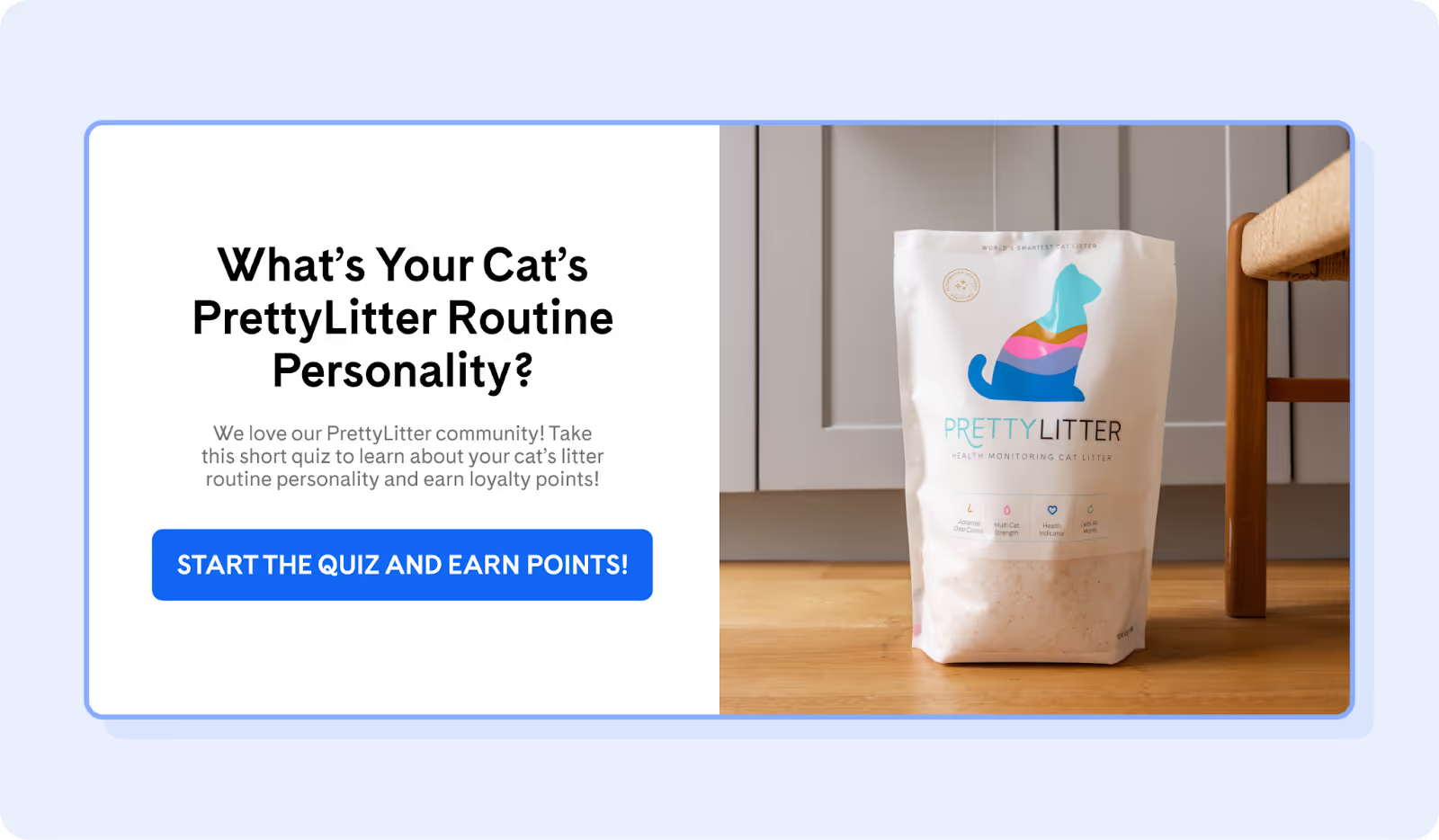
Make your program easy to understand with transparent earn-and-redeem rules. Use gamification techniques like badges, levels, and challenges to motivate participation without heavy discounting.
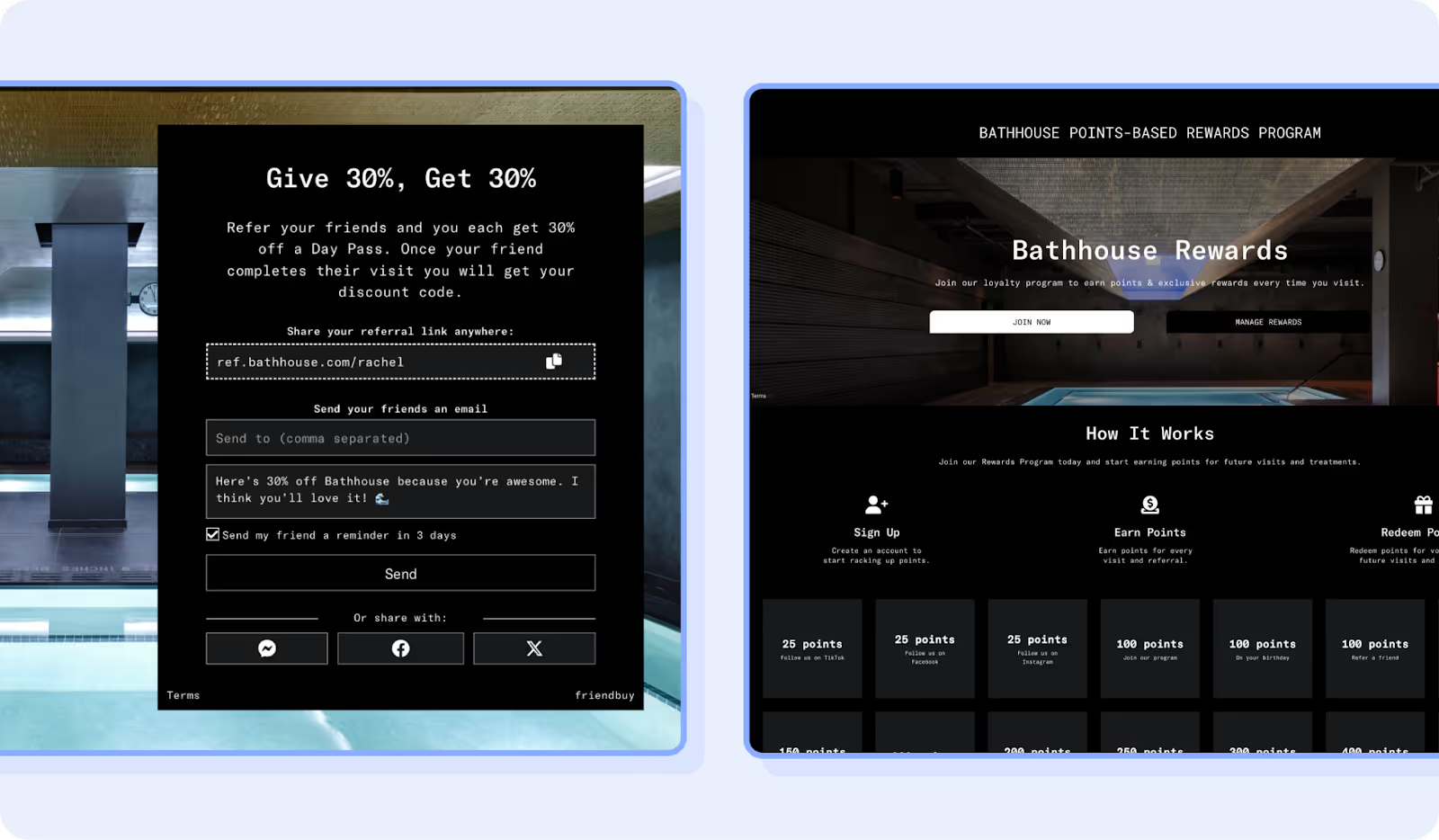
Word-of-mouth is the ultimate loyalty benefit. Integrate referral programs, social sharing opportunities, and exclusive communities to strengthen emotional bonds and reduce acquisition costs.
Pretty Litter's subscription cat litter service faced a classic challenge: how do you build loyalty around a commodity product? Their solution was brilliant in its simplicity.

Instead of just rewarding purchases, they created a hybrid program that celebrates the entire pet ownership journey:
● Action-based rewards: Points for adding pets, upgrading subscriptions, and completing cat personality quizzes
● Milestone celebrations: Free accessories after the third renewal, surprise gifts at the sixth
● Community building: Content and rewards centered around cat health and well-being
● Ecosystem expansion: Incentives to try food, toys, and accessories
The program integrates seamlessly with their tech stack, automatically applying rewards to subscriptions and sending personalized communications based on pet profiles and purchase history.
By building community around "cat health" rather than just "cat litter," Pretty Litter transformed a functional purchase into an emotional relationship.
With consumers juggling nearly 20 memberships, differentiation through relevance and ease of use is critical. Copy-and-paste discount clubs will be ignored.
Eighty percent of consumers are more likely to buy from brands offering personalized experiences. AI-driven segmentation and dynamic content aren't nice-to-haves anymore—they're survival tools.
Fee-based programs like Amazon Prime deliver higher engagement lifts—subscribers are 60% more likely to spend more with paid programs versus 30% for free programs. As saturation grows, paid tiers delivering tangible value create sustainable revenue streams.
Consumers increasingly expect brands to reflect their social and environmental values. Modern programs must incorporate responsibility alongside convenience and personalization.

Loyalty programs aren't optional in today's competitive landscape—they're growth engines when executed correctly. But success requires moving beyond points and discounts to create genuine emotional connections.
The brands that thrive will be those that understand loyalty isn't just about rewarding transactions—it's about recognizing customers as individuals, celebrating their journeys, and building communities around shared values.
Done right, loyalty transforms customers into advocates, data into insights, and retention into sustainable competitive advantage. The question isn't whether you need a loyalty program—it's whether you're brave enough to build one that actually matters.
Ready to transform your customer relationships? The most successful loyalty programs start with understanding what your customers truly value—not just what they buy, but why they buy it.


.avif)