Table of contents
Join our Community!
Oops! Something went wrong while submitting the form.
Stay up to date with the latest insights, trends, and tips for growing your business through referral and loyalty programs. Let's stay connected!



When Jason Goodman co-founded Bathhouse in 2019, he believed scaling through paid acquisition was the path to growth. But before long, he began to question whether cheap acquisition was really cheap — and what costs it was masking. What he didn’t know was that his most valuable marketing asset was already in his customer base, just waiting to be activated.
Like many growing brands, Bathhouse relied heavily on paid advertising to scale. They were seeing results, but Jason noticed something troubling in the numbers.
"When you're calculating CAC, you're only looking at ad spend," Jason explained during our recent webinar. "But you're not looking at how much you're spending to produce the content, do the analysis, pay content creators, manage influencers — all of that should actually be part of CAC."
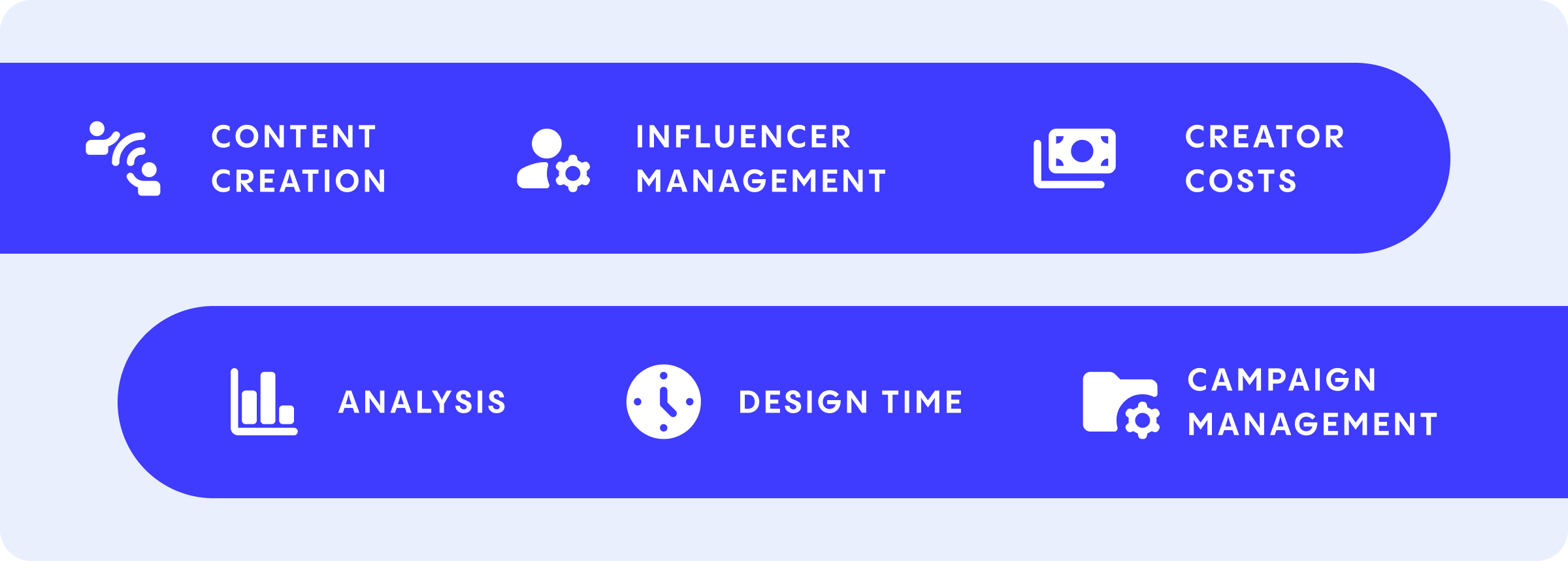
The operational overhead was staggering. Beyond the checks written to Meta and Google, Bathhouse was investing in:
Even worse, paid channels had natural ceilings. As they saturated their target audience in geographic areas, costs increased while returns diminished. They were stuck on what Jason calls the "hamster wheel" of paid media, running faster just to stay in place.
Meanwhile, customer surveys revealed something interesting: a significant portion of new customers were finding Bathhouse through friend recommendations, completely organically.
The opportunity was clear. The question was how to activate it systematically.
When Bathhouse implemented their referral program with Friendbuy, they weren't just adding another marketing channel. They were building infrastructure that would compound over time.
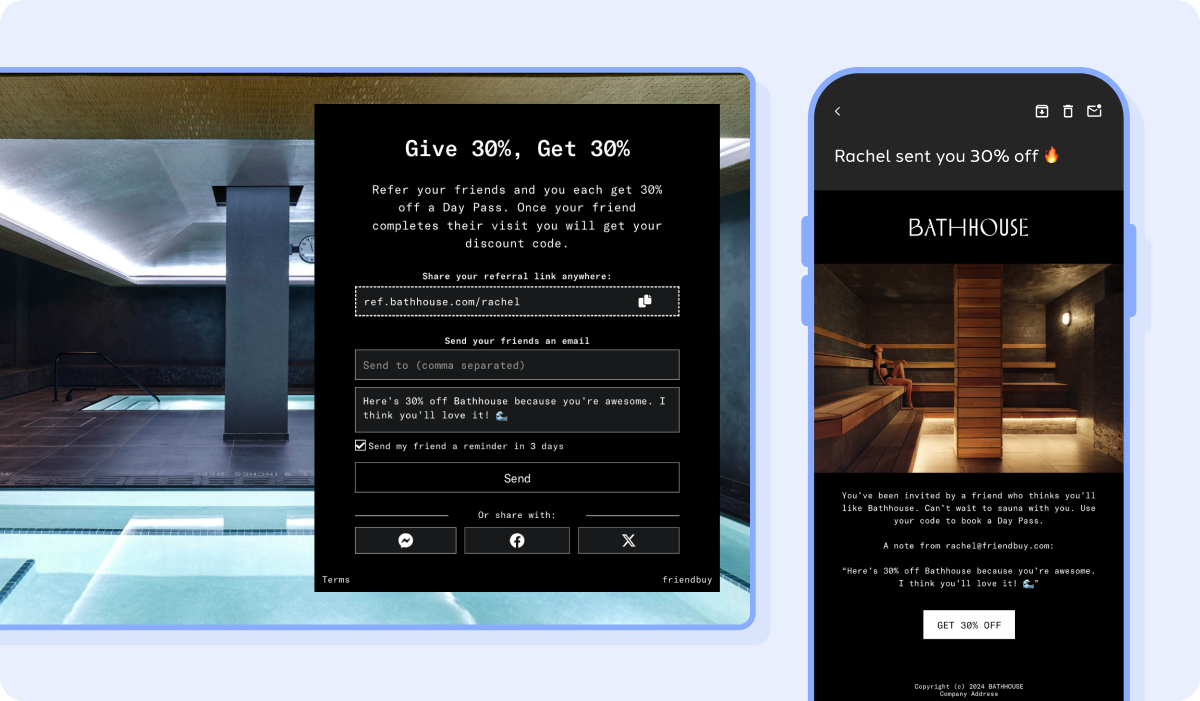
The results came fast. Within weeks, referral became one of their largest sources of new customers. Today, 20% of Bathhouse's new customer acquisition comes through referrals, with a 22% conversion rate on referred friends — nearly double typical digital advertising benchmarks.

But the most remarkable discovery came when Jason decided to peek under the hood at their top advocates.
"We were just poking around, and I wondered who was getting the most rewards from us," Jason recalled. What he found was jaw-dropping.
One customer, an NYU student they barely knew, had generated $70,000+ in referral sales. She had brought approximately 250 first-time customers to Bathhouse, creating more value than most marketing campaigns.

The kicker? Bathhouse never cut her a check. She earned service credits — rewards she valued, but at a fraction of the revenue she generated.
"It's incredible," Jason said. "This is a true super-user and super-sharer. And she's not alone." Other advocates had generated $30,000, with many more in the $5,000-$7,000 range.
These advocates existed before the referral program. They were already recommending Bathhouse organically. The program simply gave them a systematic way to do what they were already inclined to do, while rewarding them for it.
The benefits extended far beyond acquisition volume. Bathhouse discovered that referred customers behaved differently in valuable ways.
Bathhouse uses dynamic pricing, charging premium rates during peak Saturday and Sunday afternoon slots when demand is guaranteed. Off-peak times, early mornings and late weekday evenings, are harder to fill.
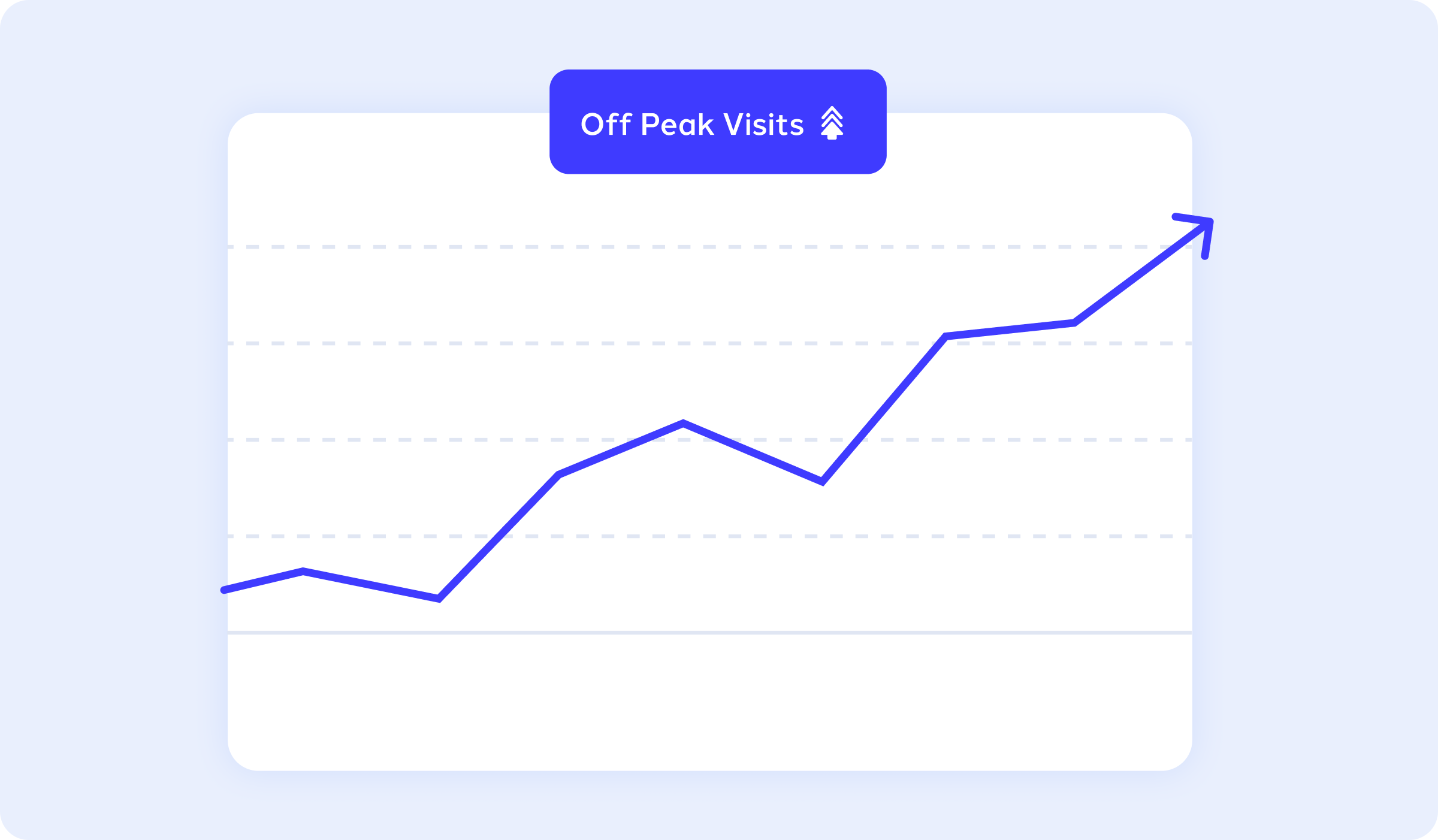
Referred customers disproportionately visit during off-peak times, helping Bathhouse optimize capacity utilization without discounting to bargain hunters.
Here's where it gets interesting. Bathhouse has a "Sauna Glow" problem.
The Sauna Glow is that incredible feeling you get after a proper sauna session, cold plunge, and recovery. It's chemically guaranteed if you follow the protocol. But first-time visitors often don't know what to do. They might sit in the sauna for two minutes, think "this is getting hot," and leave before experiencing the real benefit.
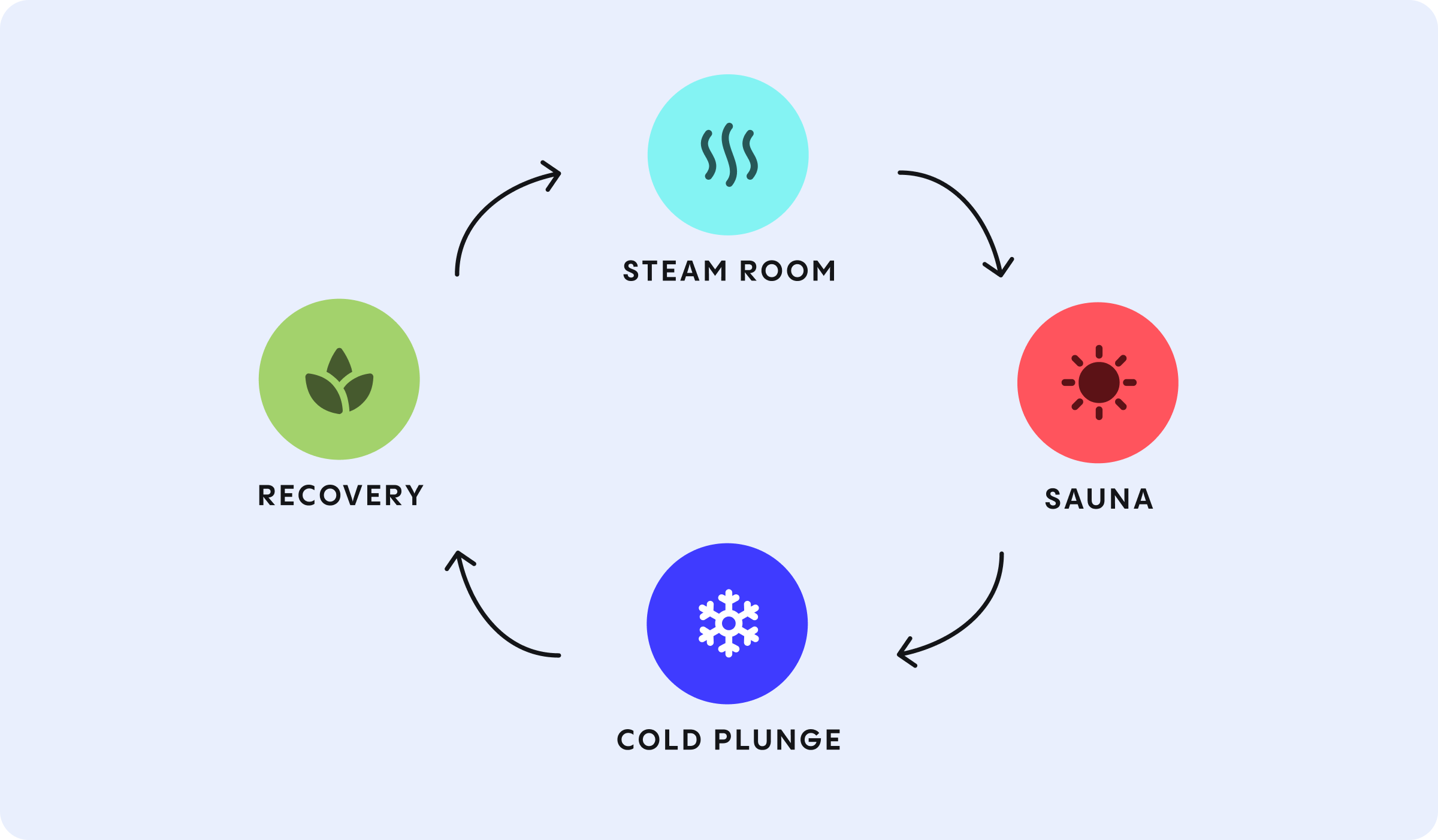
When advocates bring friends, they become ambassadors. They coach their friends through the experience, ensuring they do it right. And customers who experience the “Sauna Glow" become repeat customers.
"Once you get that glow, you're coming back," Jason explained. "If they come with their friends who already know what they're doing, they're going to do it right."
"There is something that happens when it helps people connect with the brand on a deeper level because they feel part of it," Jason shared. "Our customers are now becoming part of our marketing team. And it's not just about the money. It's also about the love and goodwill and the relationship building."

While referral solved Bathhouse's acquisition challenge, their loyalty program tackled a different problem: getting customers to experience their full menu of offerings.
Bathhouse discovered their customers were surprisingly siloed. Some were "day pass people" who came regularly for sauna and cold plunge. Others were "treatment people" who booked massages for special occasions—birthdays, Mother's Day, Valentine's Day—but rarely experienced the core bathing ritual.
"We wanted to see crossover," Jason explained. "Maybe you want to sauna once or twice a week, but at least once a month get a great massage. For people who come for massages all the time, we wanted them to realize they could just pop in once a week and sauna and feel amazing."
The solution? Strategic reward structures that incentivized product exploration:
Five day passes = one massage credit
Regular sauna-goers could earn a low-friction way to try treatments.
Two massages = one free day pass
Treatment customers could discover the bathing experience without a big time commitment.
But Bathhouse didn't stop at transactional rewards. They built experiential incentives that deepened community connection:
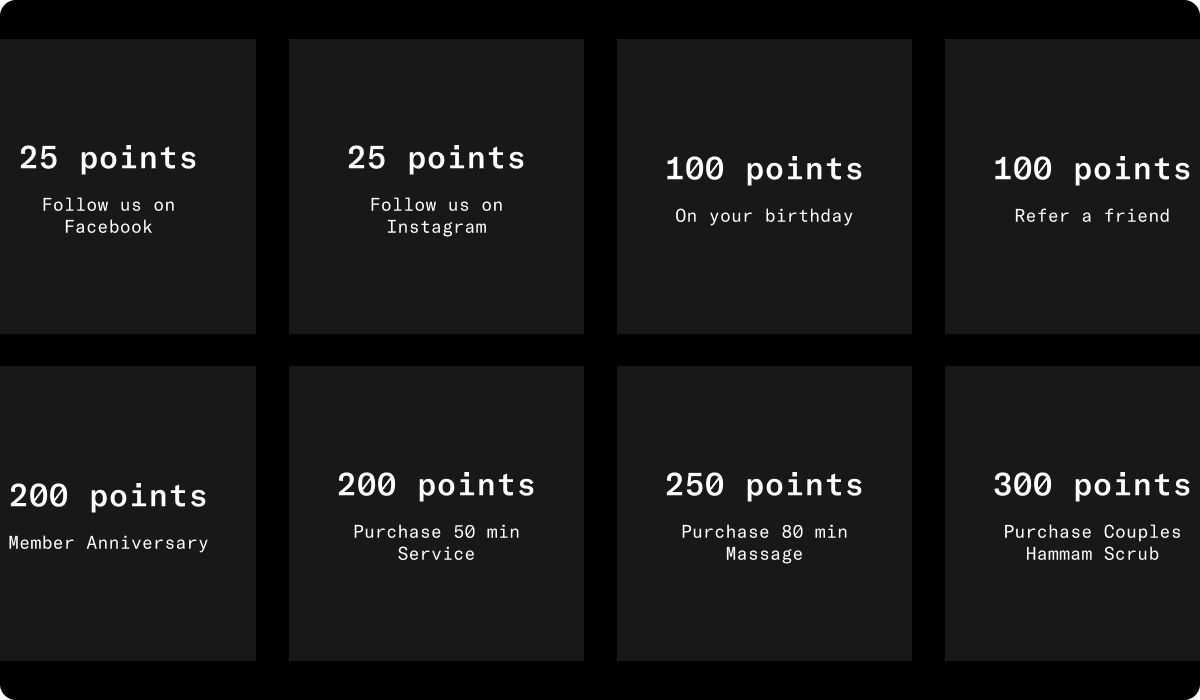
"We're really big on earned rewards," Jason said. "We try not to just do discounts for no reason. We try to always have it be earned with the customers."
The messaging itself mattered. "There's a messaging component to it," Jason noted. "We're noticing you, we want you to come. And when you do come, we care about that."
The result? A loyalty program that doesn't just drive retention—it drives product discovery, increases lifetime value, and makes customers feel recognized as part of the Bathhouse community.
Jason's advice to other marketers is to stop chasing incremental gains and look for transformational opportunities.
"You can spend a lot of time and effort cobbling together ten 2% incremental improvements," he said. "That's the hardest way. What we look for is what can we do that is a sea change."
He's clear-eyed about the rarity of such opportunities: "There are not a lot of them. They're not easy to come by."
But when you find one, the impact is dramatic. For Bathhouse, referral delivered exactly that kind of transformation.
Perhaps the most powerful aspect of Bathhouse's referral program is its durability.
"We built this program out, and then we clicked go," Jason explained. "Then this just happened. This is truly a flywheel. It runs in the background. We're not plowing advertising budget into this over and over again. We built the house once and now we get to live in it forever."
The program reached profitability within the first month or two, covering all integration costs. Since then, it's operated as an evergreen engine, consistently delivering one in five new customers with minimal ongoing investment.
Compare that to paid advertising, where you're only as good as last month's spend, and the contrast is stark.
The Bathhouse story offers several lessons for marketers across industries:
1. Calculate your true CAC. Include all operational costs, not just media spend. You might discover your "cheap" channels aren't as efficient as you thought.
2. Your best advocates already exist. Word-of-mouth is likely happening organically. The opportunity is to systematically activate and reward what's already working.
3. Referral isn't just cheaper acquisition, it's better acquisition. Referred customers at Bathhouse visit during off-peak times, experience the product correctly, and connect more deeply with the brand.
4. Use loyalty to drive product discovery, not just retention. Strategic reward structures can break down silos and increase lifetime value by getting customers to explore your full offering.
5. Make rewards feel earned, not given. Customers value recognition and achievement more than arbitrary discounts. Build programs that let them feel like they're earning something special.
6. Look for sea change opportunities. Stop optimizing at the margins and find strategies that can fundamentally transform your growth trajectory.
7. Build infrastructure, not campaigns. The best marketing investments compound over time rather than requiring constant feeding.
Is your brand sitting on untapped advocacy? Are you calculating the true cost of your acquisition channels?
The brands winning in the next era of marketing won't be the ones with the biggest ad budgets. They'll be the ones who successfully turn customers into advocates and build self-sustaining growth engines.
Bathhouse proved it's possible. The question is: what's your sea change opportunity?
Want to learn more about how Bathhouse built their referral and loyalty programs? Watch the full webinar recording or contact our team to explore how Friendbuy can help you activate your own customer advocates.
.avif)
Interested in learning more? Book time with the Friendbuy team.